
Understanding the IP Address 1157.230.79.247

When most people hear the term 'IP address', their eyes may glaze over faster than a doughnut shop on Saturday morning. But hold onto your coffee. The IP address 1157.230.79.247 may just be your ticket to unraveling a mystery of the internet. What makes it tick? Where does it lead? And how can it affect you? Immerse and find out why understanding this quirky set of numbers can make all the difference in today's digital landscape.
1157.230.79.247
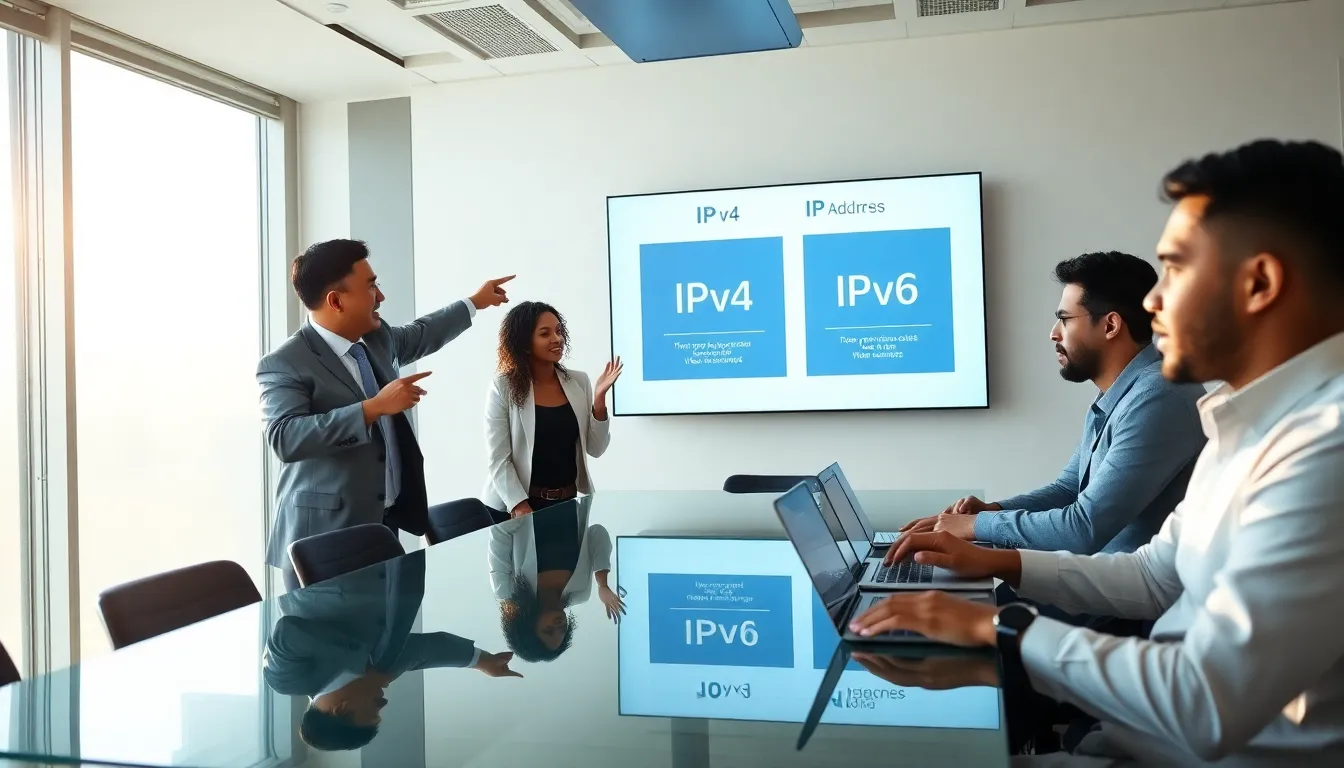
An IP address, or Internet Protocol address, acts like a virtual home address for your devices in a network. Think of it as the essential identifier that tells the internet where to send data packets, much like how your postal address tells the mailman where to deliver your letters. Generally, IP addresses come in two flavors: IPv4 and IPv6. IPv4, the elder statesman, uses 32 bits to offer about 4.3 billion unique addresses. On the flip side, IPv6 is the new kid on the block, bringing 128 bits to the party, which allows for around 340 undecillion addresses. That's enough to go around.
But wait. There's more. Each device connected to the internet needs an IP address, be it your smartphone, laptop, or even your smart fridge.
Types of IP Addresses
Understanding the types of IP addresses can clarify a lot about how the internet operates. First, we have public IP addresses. These are assigned to your network by your Internet Service Provider (ISP) and can be accessed over the internet. If you were a superhero, this would be your cape, visible and reaching out into the world.
Next, there are private IP addresses, which exist within a local network. Think of them as your secret identity, only visible to the devices connected to your home Wi-Fi. They provide a layer of security and organization for all your devices. Most commonly, routers assign these private IPs using a range of numbers defined by standards such as 192.168.x.x or 10.x.x.x.
Static IP addresses are like that friend who always shows up in the same spot, reliable and consistent. They don't change often, making them excellent for hosting websites or online services. On the other hand, dynamic IP addresses are more like children at a birthday party, they keep changing as different devices join or leave the network. Dynamic IPs, assigned by routers, are more common, offering efficiency and ease.
Possible Reasons for IP Address 1157.230.79.247
Now, let's address the elephant in the room: what about the specific IP address 1157.230.79.247? Well, first off, it's crucial to note that this address doesn't conform to the standard formats for IP addresses. Within the context of the IPv4 specification, valid values range from 0 to 255 in each of the four octets. So, the mere existence of this address raises questions.
Lack of proper formatting could be attributed to several factors. Maybe it's a typographical error, something as simple as mistyping an IP address while trying to access a device. Alternatively, it might be a fictional or placeholder address in documentation or educational material. In some scenarios, it could indicate non-standard configurations, making it even more essential to double-check when dealing with IPs to avoid potential connectivity issues.
How to Check the Validity of an IP Address
Checking if an IP address like 1157.230.79.247 is valid might sound daunting, but it's easier than pie. Start with online IP validation tools. Simply enter the address into one of these web applications, most will promptly inform you whether the IP is valid or not.
For tech-savvy individuals, another method is using the command prompt on your computer. On Windows, type ping 1157.230.79.247 into the command prompt. If it's valid, you'll get a response: if not, the attempt will fail. Mac users can apply the same ping command through the terminal. A helpful hint? Remember, connectivity issues could arise due to misconfigured devices or firewalls, so catching those sneaky culprits is always a good idea.
Common Uses of IP Addresses in Networking
IP addresses are essential for several networking activities. Firstly, they help in routing internet traffic efficiently. Without these unique identifiers, routers wouldn't know where to send data, and chaos would ensue, imagine trying to find your way in a city without street names.
Besides, IP addresses help remote access capabilities. Companies can allow employees to connect to work networks securely from remote locations, making flexibility a breeze.
Another critical use of IP addresses is for security monitoring. Network administrators track IP usage to detect suspicious activities and carry out security measures, sort of like having a neighborhood watch, but for your digital life. Often, these addresses help identify where attacks are coming from, making it simpler to fortify defenses.
Security Considerations Related to IP Addresses
Delving into the security realm, IP addresses are pivotal in identifying potential threats. Cybercriminals often exploit unprotected IPs to gain unauthorized access. Hence, being vigilant is non-negotiable. Utilizing firewalls is a straightforward yet effective way to safeguard your network by screening incoming and outgoing traffic.
Another essential security measure is using VPNs (Virtual Private Networks). VPNs mask your real IP address, adding layers of anonymity. Imagine strolling incognito through a bustling city, exactly what a VPN achieves for your online presence. Not to forget, regularly changing dynamic IP addresses can enhance security by making it harder for malicious actors to target specific devices.