
Finding Fitness and Body Confidence on Your Own Terms

I want to share something that changed how I approach training: confidence is not something you chase. It is something you build through small, repeated actions. This guide gives you a calm, four-week plan to feel stronger and more at ease in your body using two short strength sessions, everyday movement, and simple protein habits.
This guide focuses on small, repeatable actions that build self-trust and support strength, mental health, and a body-neutral mindset.
Redefine Confidence on Your Terms
Confidence grows when you keep small promises to yourself. Body neutrality means appreciating what your body can do and how it feels, not judging it by looks alone. Process goals like sessions completed or protein servings logged are more controllable than scale outcomes.
What Body Neutrality Looks Like Day to Day
- Shift self-talk from appearance to function: how your hips feel on stairs, how steady your balance is
- Pick clothes that prioritize comfort and movement freedom
- Treat workouts as practice sessions for strength and mood, not tests of worth
Process Goals That Build Trust Fast
Define two non-negotiables for the week, such as two 30-minute strength sessions and one daily 10-minute walk. Use a visible checklist, so each tick is a small win. Review on Sunday: keep what worked, simplify what did not.
Set a Safe, Realistic Baseline
A 10-minute check-in clarifies what you can commit to next week without relying on willpower. Set a ceiling you can repeat even during a busy period to protect consistency.
Quick Self-Screen Before You Start
- Note any medical conditions, injuries, or red flags
- If you experience chest pain, dizziness, or joint issues during activity, see your doctor first
- For pregnancy or postpartum, seek clinician guidance before training
Effort Made Simple
RPE means Rate of Perceived Exertion on a 1 to 10 scale. Aim for 7 to 8, which feels challenging while technically tidy.
RIR means Reps In Reserve. Stopping with 2 to 3 reps left is a pragmatic target for most sets.
Two Short Strength Sessions That Work
Two 30-minute sessions can improve strength and confidence when you train close to your effort and progress steadily. Research shows that 2 to 3 sets per exercise produce greater strength gains than one set on average.
Your 30-Minute Template
- Warm up 5 minutes with easy cardio plus dynamic mobility
- Three blocks of 8 to 12 reps at RPE 7 to 8: a squat, a push, and a pull
- Finish with a 5-minute carry or farmer's hold for trunk stability
Progression Ladder
First, add 1 to 2 reps per set while keeping form crisp. Then increase the load by the smallest available jump. Finally, add a third set when sessions feel manageable and recovery is solid.
Move for Mood and Heart Health
Australian adults are advised to accumulate 150 to 300 minutes of moderate activity weekly, plus muscle-strengthening on at least two days. Any movement helps, and breaking up long sitting periods also counts.
Movement Menus You Can Swap In
- Desk breaks: 2 minutes of brisk hall walking, 10 chair sit-to-stands
- Errand stacking: park further away, carry groceries, take stairs
- Family-friendly: pram walks, backyard activities, or short bike rides
Fuel Smarter Without Food Rules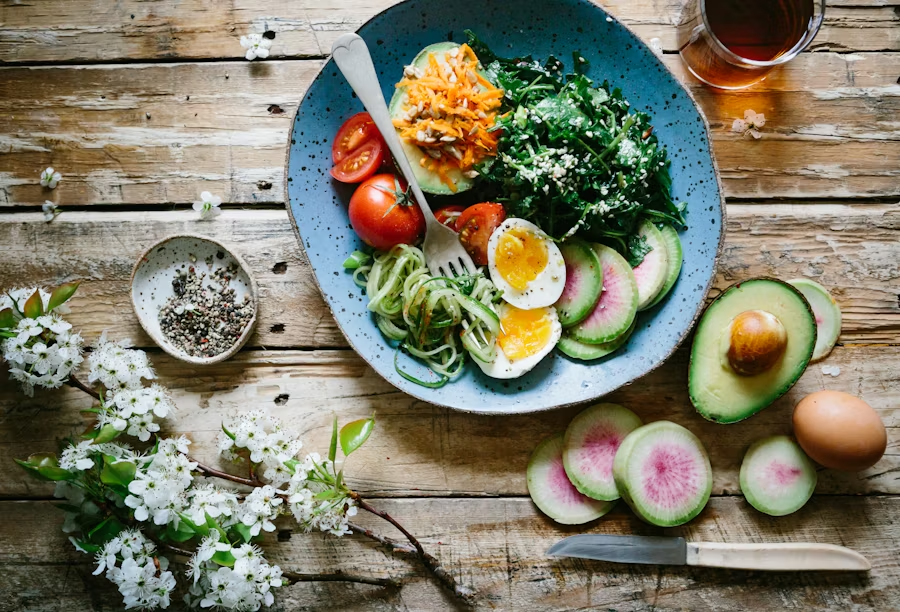
Aim for daily protein around 1.2 to 1.6 g per kg body weight if training regularly. Distribute protein across 3 to 4 meals to hit the 20 to 40 g range per eating occasion.
Build Your Plate With Australian Staples
Use the simple plate method: half plants, a quarter protein, a quarter smart carbs, plus a thumb of healthy fats. One-day sample: oats with milk and berries for breakfast, wholegrain wrap with tuna for lunch, stir-fried tofu with rice for dinner.
Fast Post-Workout Options
Quick protein wins include Greek yogurt tubs, cottage cheese with fruit, or tuna on rice cakes. Look for 20 to 30 g protein with minimal added sugars.
If you want a quick, lower-lactose shake to hit about 25 g protein after training, BearWell's whey isolate protein powder is a simple way to meet the target without excess carbs or fats. Choose flavors and sweeteners you tolerate well.
Track Wins You Can Feel
Non-scale metrics capture real improvements in strength, energy, and daily comfort that the scale often misses. Tracking a handful of behaviors keeps motivation tied to actions you control.
Five Metrics That Matter
- Sessions done per week: aim for two strength sessions as your anchor
- Average daily steps using your phone or watch
- Performance: reps completed at a given load
- Energy and sleep rating: a simple 1 to 5 score each morning
Build a Small but Mighty Home Setup
You can train every major pattern with a small kit and bodyweight variations. Space-efficient swaps keep sessions practical in apartments or shared spaces.
Starter Kit for Most Homes
- Adjustable dumbbells or a 12 to 16 kg kettlebell
- A long resistance band, a mini-band, and a firm floor mat
- A door anchor for rows and pulldowns
Make One Cable Station Do It All
Swapping attachments multiplies exercise options and keeps training interesting. Grip variety reduces overuse discomfort and targets muscles from new angles.
Choose the Right Attachment
Use a V-bar for neutral-grip rows when wrists are sensitive. A straight bar works for press-downs and curls. Rope attachments encourage shoulder-friendly positions for face pulls and triceps extensions.
Add Variety Without Buying More Machines
Alternate grips weekly to find what feels strongest and most joint-friendly. Progress by adding a rep per set before increasing the pin weight. To add variety and better grip options to rows, pulldowns and presses without buying more machines, Kinta Fitness stocks Cable Machine Attachments that turn a single cable station into a full-body setup.
Guard Your Headspace
The 2024 Body Kind Youth Survey reported that 90% of young Australians expressed some concern about body image. Ground your training in function and daily wins to buffer against appearance-driven pressures.
Do a Feed Audit
Unfollow accounts that trigger comparison. Diversify with creators who teach skills like lifting technique or simple cooking. Set app timers and add a nightly gratitude prompt.
Conclusion
Confidence comes from small, repeated promises: two strength sessions, everyday movement, and protein habits you can live with. Start with the ceiling; you can repeat next week, and let progress build from there.
FAQs
How many sets do I really need if I am slammed for time?
Do a single set per move at RPE 7 to 8 and finish in 15 to 20 minutes. Progress by adding a rep weekly until you can add a second set.
Do I have to separate cardio and strength days?
No. Pair a 20-minute walk before or after your strength session or do short intervals on a separate day if preferred.
What if I am pregnant or returning postpartum?
Stay active, include pelvic floor exercises, and avoid heavy lifting on your back after the first trimester, then restart with lighter loads postpartum.
Can I build confidence without chasing weight loss?
Yes. Use non-scale metrics such as sessions completed, energy, sleep, and performance to track progress. Exercise improves body esteem on average.